Ready to transform your home's energy efficiency and comfort? Proper insulation is the key. This comprehensive guide will walk you through every step of the residential insulation installation process, from choosing the right materials to selecting a qualified installer. Let's dive in and create a warmer, more energy-efficient home!
Understanding the Importance of Insulation
Insulation plays a vital role in maintaining a comfortable and energy-efficient home. It acts as a barrier, preventing heat loss in winter and heat gain in summer. This significantly impacts your comfort levels, reducing drafts and temperature fluctuations throughout your house. Proper insulation also contributes to better indoor air quality by minimizing the infiltration of outside pollutants. Ultimately, improving your home's insulation is an investment in both comfort and long-term cost savings through reduced energy consumption. This is crucial whether you are building a new home or renovating an existing one. Don't underestimate the importance of a properly insulated building https://telegra.ph/Revitalize-Your-Older-Home-Expert-Insulation-Services-in-2025-05-29 envelope for optimal thermal performance and reduced energy bills.
Benefits of Proper Insulation
- Energy Savings: Reduce energy consumption for heating and cooling. Comfort Level: Enjoy consistent temperatures throughout your home, minimizing drafts and hot/cold spots. Heat Loss Reduction: Minimize energy waste by preventing heat from escaping during colder months. Cold Air Infiltration: Stop cold air from seeping into your home, boosting overall comfort and efficiency.
Overview of R-Value and Thermal Resistance
Understanding R-value is crucial when choosing insulation. R-value (thermal resistance) measures a material's ability to resist heat flow. The higher the R-value, the better the insulation. Factors such as climate, building type, and budget all influence the appropriate R-value for your specific needs. Consulting a professional to determine the best R-value for your home's building envelope ensures optimal thermal performance and cost-effectiveness.
Types of Residential Insulation
Several insulation types cater to different areas of your home, each with its unique properties. Understanding these differences helps you make an informed decision. The best choice depends on factors such as your budget, the area needing insulation (attic, walls, basement, crawlspace), and your home's existing structure. Always consult local building codes for compliance.
Attic Insulation
Attic insulation is critical, as heat rises. Common options include blown-in insulation (fiberglass or cellulose), offering excellent coverage in hard-to-reach areas, and batt insulation, which comes in pre-cut rolls for easier installation. Roof insulation is integrated with the roof structure and adds another layer of protection against heat loss. Choosing the appropriate R-value is crucial for optimal attic insulation.
Wall Insulation
Insulating walls can significantly improve energy efficiency. Fiberglass insulation, cellulose insulation, and mineral wool insulation are popular choices. The installation method depends on whether you're insulating new or existing walls. New construction typically allows for easier installation within wall cavities, whereas retrofitting requires more planning and may involve specialized techniques.
Basement and Crawlspace Insulation
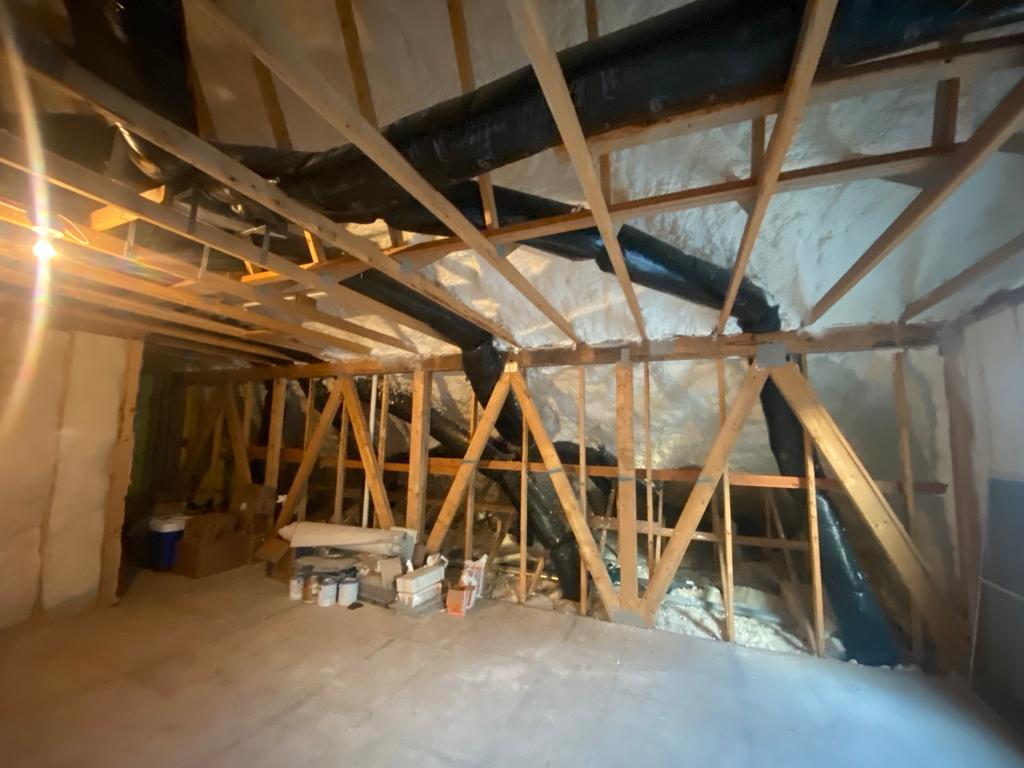
Basements and crawlspaces require specific attention to moisture control. Spray foam insulation provides an excellent air seal, preventing moisture intrusion and improving energy efficiency. A moisture barrier is crucial before installing any insulation in these areas to prevent mold and mildew growth. Proper air sealing also minimizes air infiltration and helps prevent energy loss, reducing utility bills.
Comparing Insulation Materials
- Fiberglass: Affordable, widely available, relatively easy to install. Cellulose: Made from recycled paper, good insulation properties, fire-resistant. Mineral Wool: Excellent thermal performance, fire-resistant, sound-dampening. Spray Foam: Superior air sealing, high R-value, excellent for irregular spaces.
Consider factors like cost, R-value, ease of installation, and environmental impact when making your choice.
The Residential Insulation Installation Process
Proper installation is key to maximizing the benefits of insulation. This process involves several steps, from planning to the final touches. Hiring qualified professionals significantly increases your chances of success and warranty coverage. Always compare quotes and check references before making a decision.
Steps to Prepare Your Home
Before installation begins, ensure your HVAC systems are functioning correctly. A pre-installation energy audit helps identify areas needing extra attention. This step reveals potential air leaks and determines the most effective approach for insulation improvement. Inspect existing insulation to identify any areas of deterioration or damage. Consult with a professional to determine if any insulation removal or replacement is necessary.
Choosing Professional Installers
Selecting experienced and reputable insulation contractors is essential. Look for licensed and insured installers with a strong track record. Check online reviews and request references to gauge their work quality and customer satisfaction. Compare quotes from multiple contractors to find the best value for your needs. Discuss your specific needs and budget with potential contractors, clarifying the scope of work, installation techniques, and warranty terms.
DIY vs Professional Installation
While DIY installation is possible for some projects, professional installation often provides better results, particularly for complex jobs. Professionals possess the expertise and equipment to ensure proper installation techniques, ensuring optimal energy savings and long-term performance. This also avoids potential safety risks and ensures that the job is done efficiently and effectively. Consider the cost of materials, equipment, and labor when comparing DIY versus professional installation.
Energy Efficiency and Cost Savings
Investing in proper insulation offers significant long-term financial benefits. Reduced energy bills directly translate to cost savings, improving your home's energy efficiency and sustainability. Beyond the immediate cost savings, properly insulated homes also have a higher resale value.
Understanding Energy Rebates and Incentives
Many governments offer energy rebates and tax credits for energy-efficient home improvements, including insulation upgrades. Research available programs in your area to potentially offset some of the installation costs. Energy consultants can provide guidance on maximizing these incentives, helping you plan for sustainable building practices. These programs often require adhering to specific standards, which qualified installers are aware of.
Long-term Financial Benefits of Insulation
The return on investment (ROI) for insulation is often substantial. The initial cost is quickly recouped through lower energy bills. Improved comfort, reduced maintenance, and increased home value all contribute to the long-term financial advantages of investing in high-quality residential insulation installation. Proper insulation minimizes ongoing expenses by preventing energy waste and extending the lifespan of your HVAC systems. This leads to overall cost savings for homeowners.
Frequently Asked Questions
- What is the best type of insulation for my home? The ideal type depends on factors such as budget, climate, and the area being insulated. Consult with a professional for personalized recommendations. How much does insulation installation cost? Costs vary widely depending on factors such as home size, insulation type, and labor rates. Get multiple quotes from reputable contractors. How can I tell if my home needs re-insulation? Signs include high energy bills, noticeable drafts, uneven temperatures, or visible gaps in your insulation. What should I expect during the insulation installation process? Expect a thorough inspection, careful preparation of your home, and professional installation by experienced technicians.
In conclusion, investing in proper residential insulation installation is a worthwhile endeavor, offering significant returns in energy savings, enhanced comfort, and improved home value. By carefully considering the different insulation types, choosing reputable installers, and understanding the installation process, you can create a more energy-efficient and comfortable living space. Don't hesitate to contact a qualified insulation professional to schedule a consultation and get started today!